


We’ve entered a new era of work — where leverage doesn’t come from people or capital, but from how well you can delegate to intelligence.
Every professional, whether engineer, designer, or founder, is suddenly a manager. Not of humans, but of systems.
You don’t have to become an AI engineer. But you do have to learn to delegate.
Delegation: The Skill Nobody’s Teaching
Delegation used to be a management skill. Now, it’s a survival skill for individual contributors.
If you’re still doing every repetitive or procedural part of your job manually, you’re already behind someone who has automated or delegated it.
An engineer who let’s their coding agent fix bugs or review PRs will ship faster.
A marketer who delegates campaign generation to AI will test faster.
A founder who offloads analysis to a model will decide faster.
Delegation is the new speed. And speed compounds.
From Flight Mode to Feature Shipped

Earlier this week, I boarded a flight. I closed my laptop and walked into the plane.
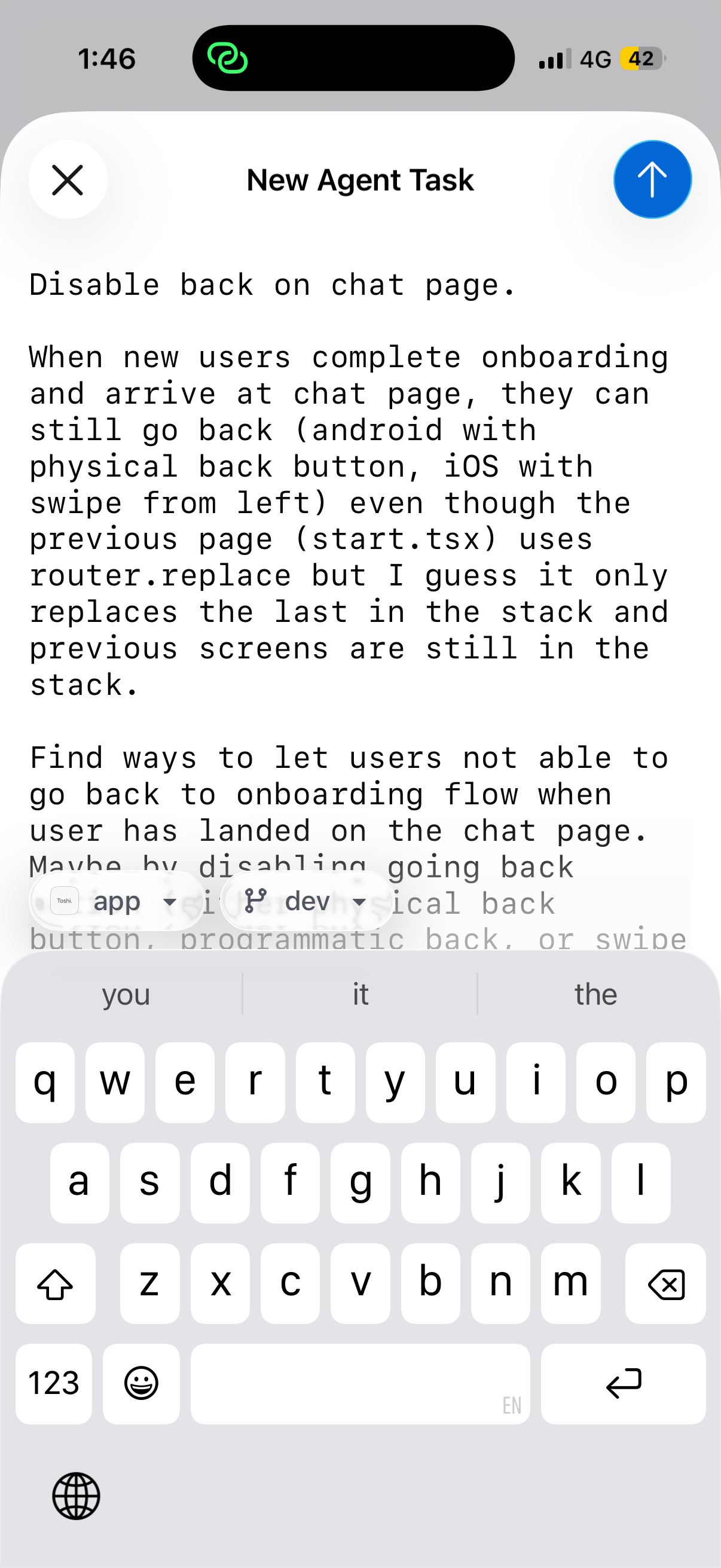
Before takeoff, I described a feature to my coding agent, hit submit, and switched to flight mode.
When I landed, the pull request was ready — implemented, tested, and reviewed. I triggered a second review using Gemini, merged it and the feature went live before I reached baggage claim.
This wasn’t AI productivity. This was AI delegation.
The Leverage Shift
In the old world, leverage meant hiring a bigger team. In this one, it means building systems that work for you.
This changes what good work looks like:
You’re not rewarded for how much you do, but for how much gets done without you doing it.
You’re not measured by effort, but by orchestration. How clearly you can define outcomes and direct systems toward them.
AI delegation turns every individual contributor into a one-person organization.
The better you are at describing what needs to happen, the more you can multiply yourself.
How to Start Delegating Today
Audit your work.
List everything you do in a week. Circle what follows patterns: routine, data-driven, rule-based works. Those are your delegation candidates.Design the brief, not the output.
The skill isn’t prompting. It’s describing what success looks like. Think outcomes, not instructions.Automate the loop.
Treat AI like a team member: assign, review, improve. Each iteration compounds learning, for you and for the system.Think in systems, no sessions.
Don’t treat AI as a one-off assistant you chat with. Build workflows where AI works between your sessions: writing, reviewing, or analyzing while you’re doing something else.
The Mindset Shift
Most people ask, “What can I do for me?”
But the better question is, “What can I stop doing because AI can handle it?”
That’s delegation. And that’s how you stay relevant.
If the last decade rewarded those who could automate,
the next one will reward those who can delegate.
The Real Question
The workplace is splitting into two groups: those who delegate to AI, and those who are delegated by it.
Which side are you on?
I’m building and experimenting with these delegation systems every week — for myself, my team, and the tools we’re creating. If this lens on AI and work resonates, follow along for more essays on building leverage, not just effort.